
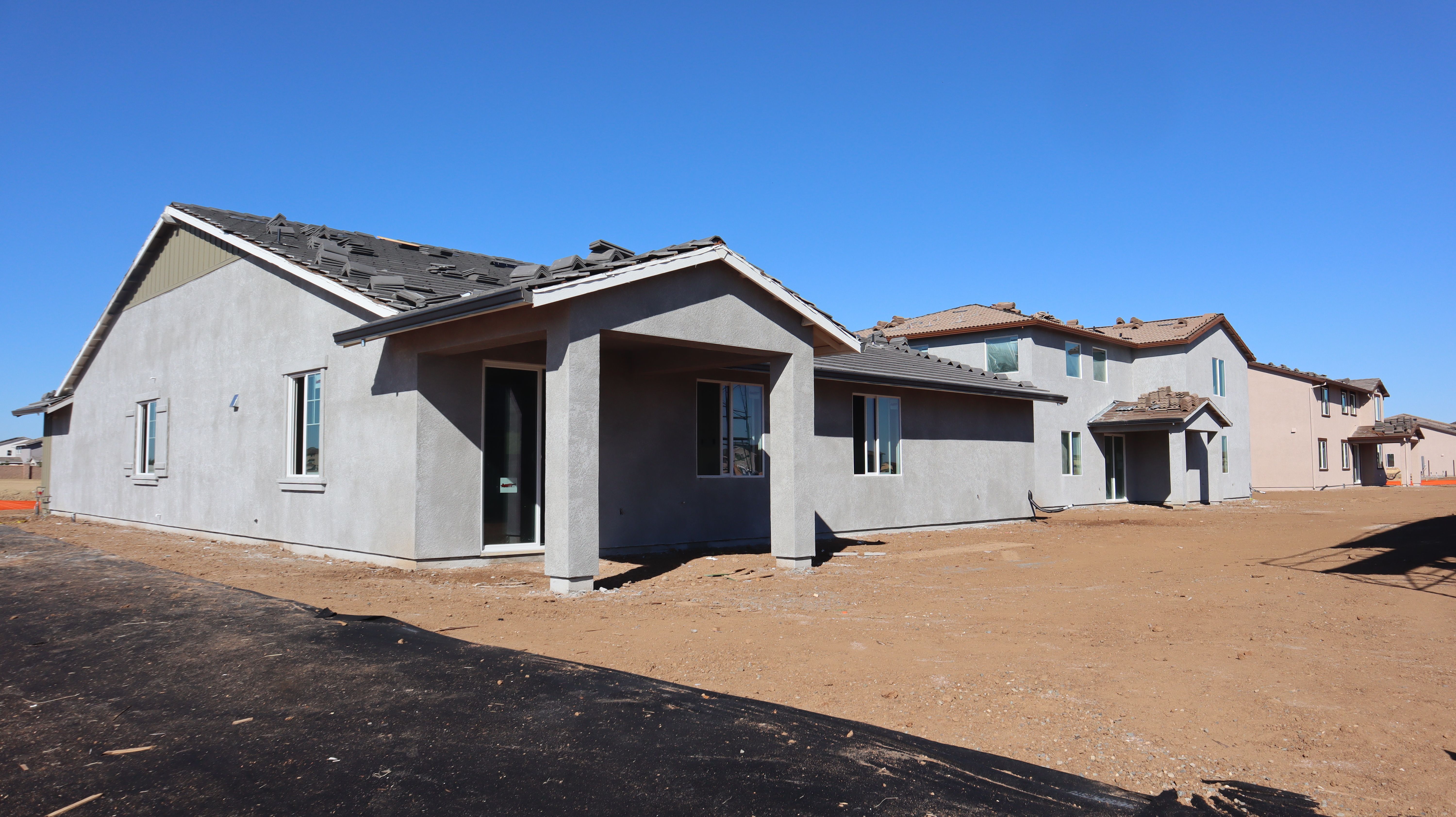
New homes are about $40,000 cheaper than existing homes. How should you compare a builder's incentive package with financing from your own broker?
The National Association of Home Builders' third-quarter Cost of Housing Index, released November 19, 2026, put the national median price of a new home at $393,300, compared with $432,900 for a median existing home. That is a gap of $39,600, or about $40,000. NAHB said it was the widest national median price gap with new homes priced below existing homes since the index began. Realtor.com covered the same figures on November 23.
Those are national medians, not a price for any one community or house. A lower sticker price also is not the whole comparison. Many builders are pairing the price with incentives — rate buydowns, closing-cost credits, or upgrades — that are sometimes tied to using the builder's lender. Turn Times, a licensed mortgage broker (NMLS #2099552), can compare a builder's financing offer with options from participating wholesale lenders. The lender you choose issues the disclosures, underwrites, locks, and funds the loan.
For a broader look at what you can ask a builder to put in the contract, see how to negotiate on a new-construction home. For the difference between a temporary and a permanent rate buydown, see temporary vs. permanent rate buydowns.
Key facts
- The NAHB/Wells Fargo Cost of Housing Index for the third quarter of 2026 used a national median new-home price of $393,300 and a median existing-home price of $432,900. The new-home median was 9.2% lower, a difference of $39,600. NAHB called this the widest national median price gap with new homes priced below existing homes since the CHI began. (NAHB press release, Nov 19, 2026; NAHB CHI page; Realtor.com, Nov 23, 2026)
- The third-quarter new-home median was down 4.2% from $410,700 in the second quarter, a drop of $17,400. NAHB described this as a drop of more than $17,000 and said it lowered the share of family income needed to buy a new home from 34% in the second quarter to 33% in the third. The existing-home median was down 0.5% from $434,900 in the second quarter. (NAHB press release, Nov 19, 2026)
- A family earning the nation's median income of $106,800 would have needed 33% of that income to cover the CHI's estimated mortgage payment on a median-priced new home, and 36% on a median-priced existing home, NAHB said. The CHI payment assumes a 10% down payment and adds taxes, insurance, and mortgage insurance. Those shares are a national index, not a payment quote from Turn Times. (NAHB press release, Nov 19, 2026; NAHB CHI page)
- In the same release, NAHB Chairman Bill Owens said that, according to NAHB's latest survey, 43% of builders cut prices in October — the highest share since 2020 — and 65% offered sales incentives. Those are national survey results. They do not describe any one builder, community, or home. (NAHB press release, Nov 19, 2026)
- A builder can offer a discount for using its affiliated lender, but under federal RESPA rules that discount must be optional to you and a true discount below prices otherwise available, not made up by higher costs elsewhere in the settlement process. (12 CFR §1024.2, "required use"; 12 CFR §1024.15)
- Turn Times may charge an origination fee. All fees are disclosed on your Loan Estimate.
- Timelines vary by lender, property, appraisal, and underwriting.
What the price gap does — and does not — tell you
A national median is a midpoint for the country in one quarter. It does not tell you what a specific new home or a specific existing home will cost, and it does not tell you which is the better fit for your budget once taxes, insurance, HOA dues, and the loan terms are included.
It is useful context. Builders have been cutting prices and using incentives in a slower market, and the CHI now shows new homes, on a national median basis, priced below existing homes by what NAHB called the widest national median price gap with new homes priced below existing homes since the index began. That can make a new-construction search worth comparing — if you also compare the financing that comes with the house.
Price, credits, and buydowns are not interchangeable
A flyer can make a price cut and an incentive look similar. They work differently on paper:
- A price cut lowers the loan amount for as long as you have the loan.
- A closing-cost credit lowers the cash you need at closing, once.
- A temporary rate buydown lowers your payment only during the buydown years; after that, you pay the full note-rate payment.
- A permanent buydown lowers the rate for the life of the loan, which matters most if you keep the loan for a long time. (CFPB: discount points and lender credits)
Ask the builder for the dollar value of each option, then compare them side by side on Loan Estimates. Our earlier guide walks through temporary vs. permanent buydowns and what you can negotiate on a new-construction home.
If the incentive requires the builder's lender
Many builders tie part of an incentive to using an affiliated or preferred lender. Before you decide:
- Ask what the incentive is worth if you use a different lender. If the incentive disappears, you know how much it is worth.
- Ask for the affiliated business disclosure. When a builder refers you to a lender it has an ownership or financial interest in, federal rules require a written disclosure of that relationship. (12 CFR §1024.15)
- Get a Loan Estimate from the builder's lender and one from another source, including a licensed mortgage broker who can compare participating wholesale lenders. All lenders use the same standard Loan Estimate form. (CFPB: what is a Loan Estimate?) See how to compare Loan Estimates and what a wholesale mortgage broker is.
- Compare the whole package. Look at the note rate, points, lender credits, the incentive you would keep or give up, and total cash to close together, not one line at a time.
Write every price change, credit, buydown, upgrade, and completion term into the purchase contract or a signed addendum. Read the contract's rules on deposits, completion dates, and what happens if construction runs late. Consider an independent home inspection, even on a new build. Review the Closing Disclosure before you sign, and compare it with the Loan Estimate.
This is general education. Terms, available amounts, and eligibility are set by each lender.
Related: How to negotiate on a new-construction home · Temporary vs. permanent rate buydowns · How to compare Loan Estimates · What is a wholesale mortgage broker? · Licensing and disclosures
Common questions
Are new homes really cheaper than existing homes right now?
On a national median basis in the third quarter of 2026, yes: NAHB reported $393,300 for a new home and $432,900 for an existing home, a gap of about $40,000. That is a national midpoint, not a price for a specific house or community.
Is a price cut better than a builder's rate buydown?
It depends on how long you expect to keep the loan and how much cash you have for closing. A price cut lowers the loan amount for the life of the loan; a temporary buydown lowers the payment only for the first few years. Compare the dollar value of each on Loan Estimates.
Do I have to use the builder's lender to get the incentive?
To get that particular incentive, sometimes yes. A builder can offer a discount that applies only if you use its affiliated lender, but under federal RESPA rules that discount must be optional and a true discount that isn't made up by higher costs elsewhere in the settlement process. Ask what the incentive is worth with a different lender, then compare Loan Estimates.
Can I bring my own mortgage broker to a new-construction purchase?
Often, yes. You can still compare a Loan Estimate from the builder's lender with estimates arranged through a licensed mortgage broker. The comparison should include any incentive you would keep or give up if you do not use the builder's lender.
What should I check before I sign a new-construction contract?
Check that every credit, buydown, upgrade, and completion term is in writing, read the deposit and delay terms, and get a Loan Estimate before you rely on any financing incentive.
Is Turn Times a home builder or a lender?
Neither. Turn Times is a licensed mortgage broker, not a lender. We compare options from participating wholesale lenders; the lender you choose underwrites and funds the loan.
Next step
Want to compare a builder's financing offer with options from participating wholesale lenders? Schedule a Loan Options Consultation at /schedule or call 844-999-8876. A consultation is a no-obligation educational conversation, not a credit decision.
Sources
- NAHB: Large Median Price Gap Keeps New Homes More Affordable Than Existing Homes (Nov 19, 2026)
- NAHB: NAHB/Wells Fargo Cost of Housing Index (CHI)
- Realtor.com: New Homes Are Now $40K Cheaper Than Existing Homes (Nov 23, 2026)
- eCFR: 12 CFR §1024.2, definitions ("required use")
- eCFR: 12 CFR §1024.15, affiliated business arrangements
- CFPB: What is a Loan Estimate?
- CFPB: What is a Closing Disclosure?
Just Homes Inc. dba Turn Times · NMLS #2099552 · CA DFPI Financing Law License #60DBO-181268 · CO Mortgage Company Registration #2099552 · Equal Housing Opportunity Loans made or arranged pursuant to a California Financing Law license. Verify licenses at NMLS Consumer Access (nmlsconsumeraccess.org).