
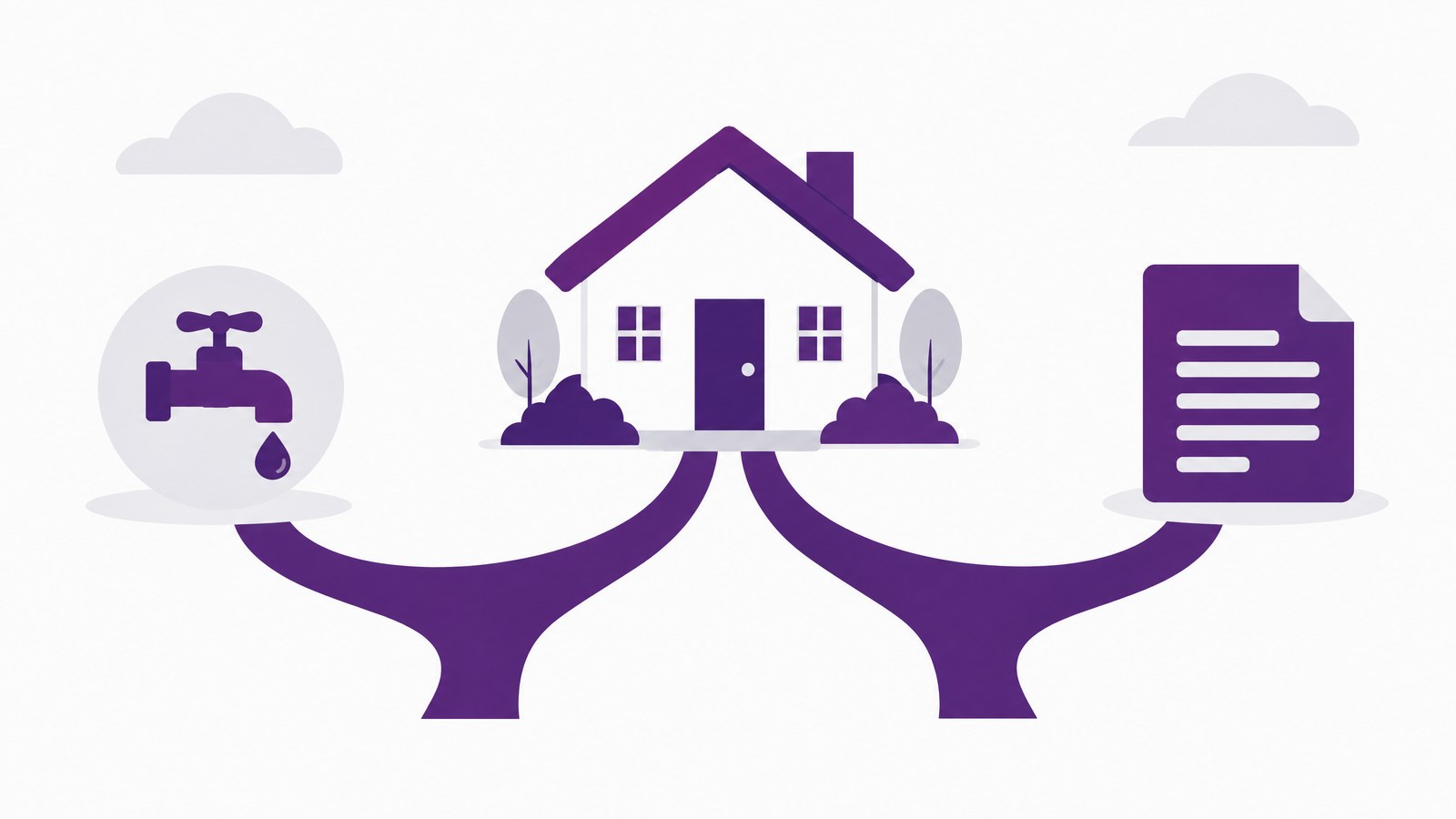
HELOC vs. cash-out refinance: which fits my situation?
A HELOC is a line of credit secured by your home that usually sits behind your existing mortgage, so your first loan stays in place. A cash-out refinance replaces your current mortgage with a new, larger loan and pays you the difference. Turn Times, a licensed mortgage broker (NMLS #2099552), compares both options from participating wholesale lenders for California and Colorado homeowners. The lender sets terms and makes the credit decision.
Key facts
- HELOC: revolving line of credit; you draw what you need during a draw period, then enter a repayment period. Interest is usually variable. (CFPB: What is a HELOC?)
- Cash-out refinance: one new first mortgage that pays off the old one; you receive the remaining proceeds at closing. Your interest rate, term, and payment all reset.
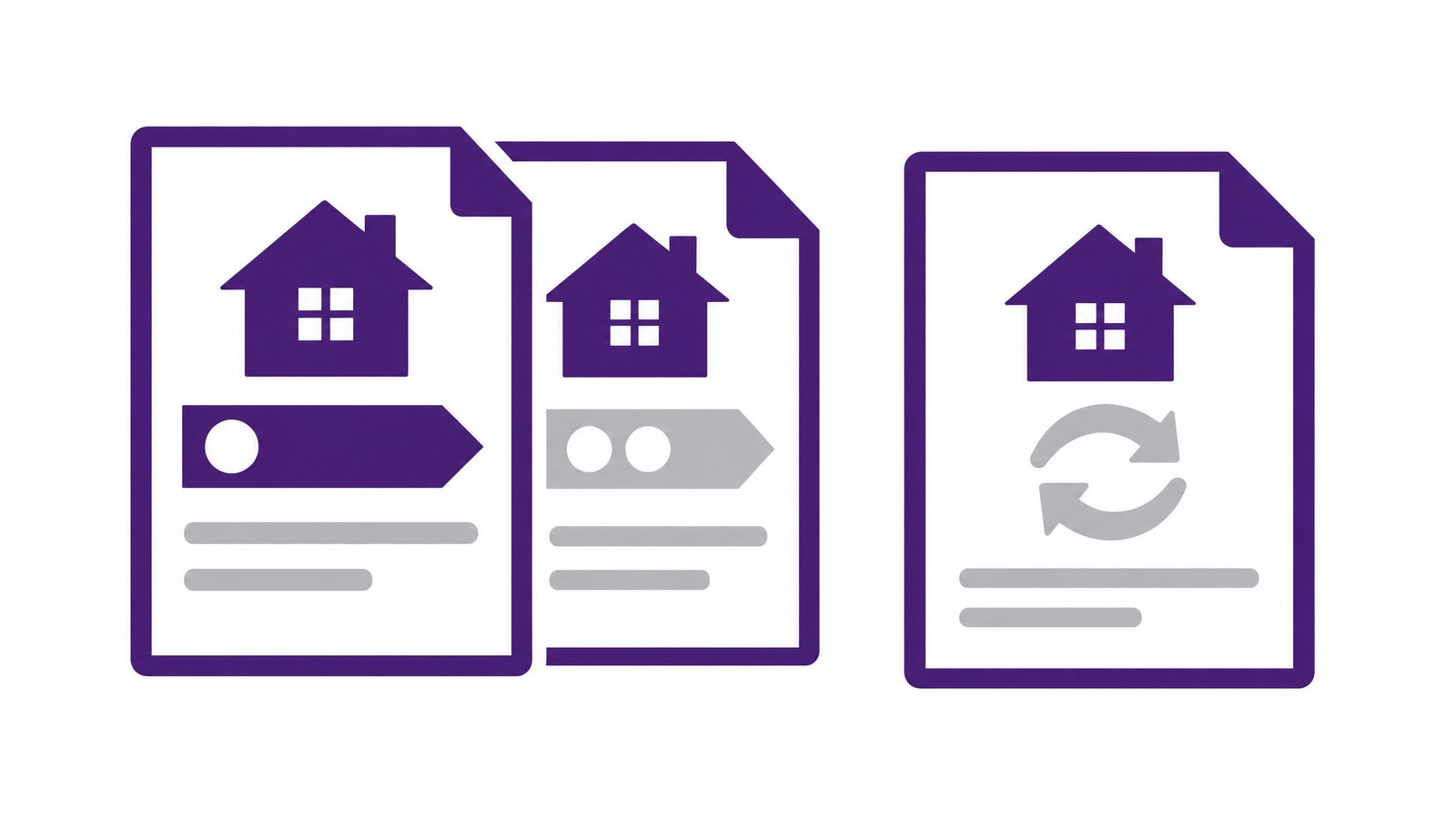
- Keep vs. replace: a HELOC keeps your current first mortgage and its terms; a cash-out refinance does not.
- Closing costs: both can carry costs. Compare the lender's Loan Estimate for each option side by side. (CFPB: Loan Estimate)
- Your home is the collateral for both. Missed payments can put the home at risk. (CFPB HELOC brochure)
- Turn Times may charge an origination fee. All fees are disclosed on your Loan Estimate.
How each option works
Home equity line of credit (HELOC)
- A lender reviews your home's value, your existing mortgage balance, income, and credit history.
- If approved by the lender, you receive a credit line with a draw period and a repayment period.
- You borrow only what you use, and interest is charged on what you've drawn.
- Your first mortgage continues unchanged.
Cash-out refinance
- You apply for a new first mortgage larger than what you owe today.
- The new loan pays off the old one at closing.
- You receive the difference as cash, subject to the lender's guidelines.
- You now have one mortgage with a new rate, term, and payment.
Side-by-side comparison
| Question | HELOC | Cash-out refinance | |---|---|---| | What happens to my current mortgage? | Stays in place | Paid off and replaced | | How do I receive funds? | Draw as needed during the draw period | Lump sum at closing | | Interest structure | Usually variable; some lenders offer fixed-rate options on drawn balances | Fixed or adjustable, depending on the loan you choose | | Lien position | Usually a second lien | New first lien | | Often considered when… | You want to keep your current first mortgage, or need funds over time | You want one loan, or want to change your current loan's terms anyway | | Main trade-off to review | Payment can change with a variable rate; repayment period payments can be higher | Your whole balance moves to new terms, and closing costs apply to the full loan |
This is general education, not a recommendation. The right comparison depends on your current loan, your goals, how long you plan to stay, and what lenders offer for your file.
Questions to ask before you choose
- Do I want to keep the terms on my current first mortgage?
- Do I need one lump sum now, or funds over several months or years?
- How would a change in a variable interest rate affect my budget?
- What does each Loan Estimate show for total closing costs and the first-years cost of borrowing?
- Is there a prepayment penalty or an early-closure fee on the HELOC? (CFPB: prepayment penalty)
The CFPB suggests getting estimates from more than one lender. A broker can gather options from several participating wholesale lenders for you to compare.
Right to cancel
For many HELOCs and refinances secured by your primary residence, federal rules give you a short right to cancel (rescind) after closing, and funds are not released until that period ends. Your lender's disclosures explain whether it applies. (CFPB: Regulation Z §1026.23)
California and Colorado notes
- Turn Times is licensed in California and Colorado and arranges home equity options through participating wholesale lenders for eligible properties in both states.
- Some lenders also offer home equity options for self-employed borrowers who document income with bank statements. See Non-QM home equity.
- Timelines vary by lender, property, appraisal, and underwriting.
Common questions
Will a HELOC change my first mortgage?
No. A HELOC is a separate loan, usually in second position. Your first mortgage keeps its current terms.
Is a cash-out refinance a second mortgage?
No. A cash-out refinance replaces your current first mortgage with a new first mortgage.
Can I compare both at the same time?
Yes. Ask for a Loan Estimate on each option so you can compare costs, terms, and payments side by side.
Does Turn Times decide whether I'm approved?
No. Turn Times is a licensed mortgage broker, not a lender. The lender you choose underwrites, approves, and funds the loan.
Next step
Thinking about tapping equity on a California or Colorado home? Schedule a Loan Options Consultation or call 844-999-8876 to compare a HELOC and a cash-out refinance for your scenario. A consultation is a no-obligation educational conversation, not a credit decision.
Sources
- CFPB: What is a home equity line of credit (HELOC)?
- CFPB: What you should know about HELOCs (brochure)
- CFPB: What other types of loans are similar to a HELOC?
- CFPB: Loan Estimate explainer
- CFPB: Regulation Z §1026.23, right of rescission
- NMLS Consumer Access: verify licenses
Internal links: /home-equity, /cash-out-refinance, /non-qm-home-equity, /learn/home-equity, /insights/heloc-vs-home-equity-loan (new, Article 2), /insights/home-equity-options-california-colorado (new, Article 4), /insights/how-mortgage-brokers-get-paid, /insights/how-long-does-it-take-to-close, /calculator, /schedule, /legal
Just Homes Inc. dba Turn Times · NMLS #2099552 · CA DFPI Financing Law License #60DBO-181268 · CO Mortgage Company Registration #2099552 · Equal Housing Opportunity Loans made or arranged pursuant to a California Financing Law license. Verify licenses at NMLS Consumer Access (nmlsconsumeraccess.org).